Does Your Marketing Budget Consider AIs?
MencionAI Blog Pedro Vianna Quintian
MencionAI Blog Oct 13, 2026 · 4 min read / Market
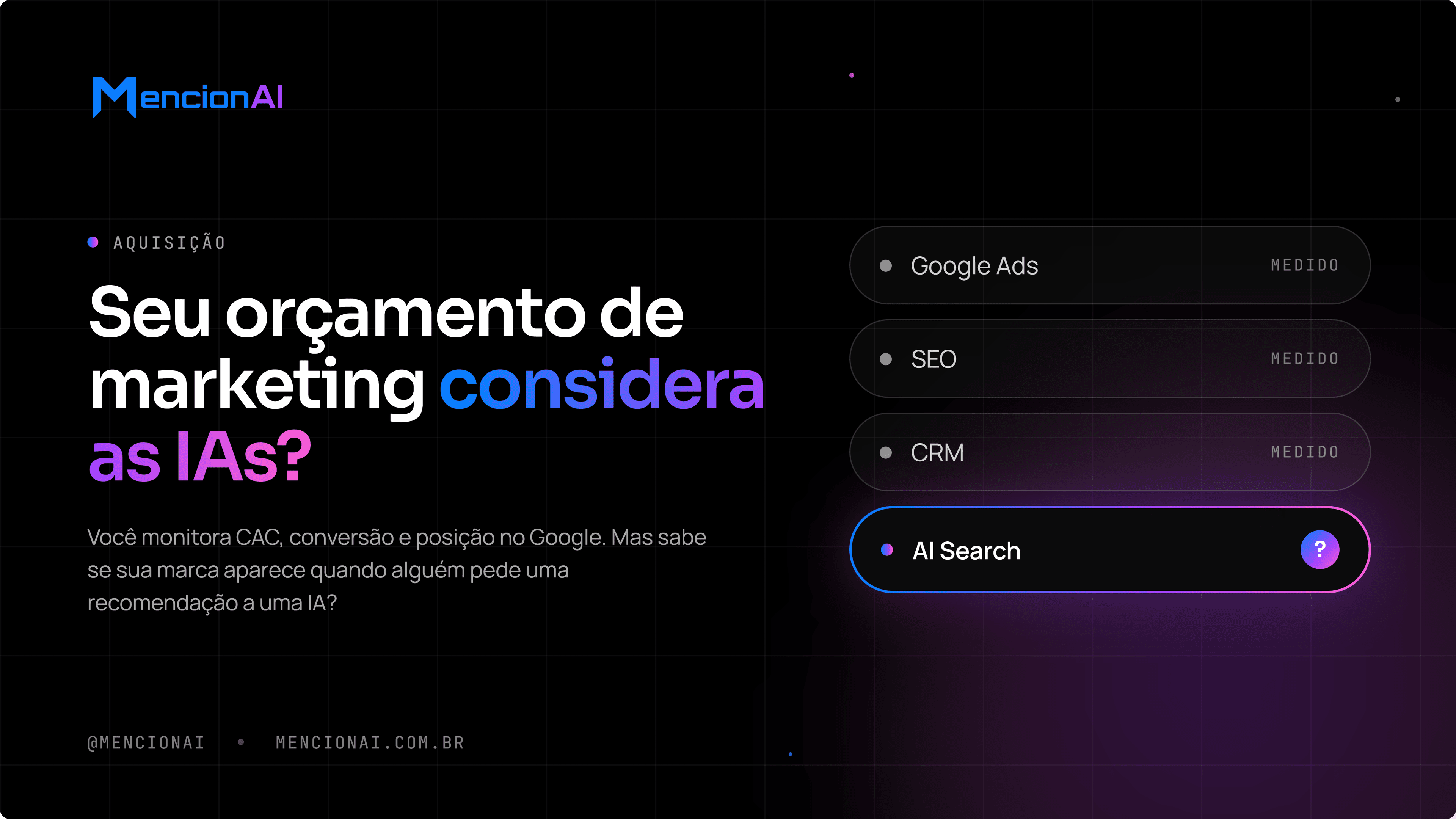
If you manage marketing at a company that already invests in acquisition, you probably keep a close eye on a set of numbers: cost per lead, conversion rate, organic traffic, Google ranking, CAC. These indicators have guided budget decisions for years and continue to be relevant.
Quick answer
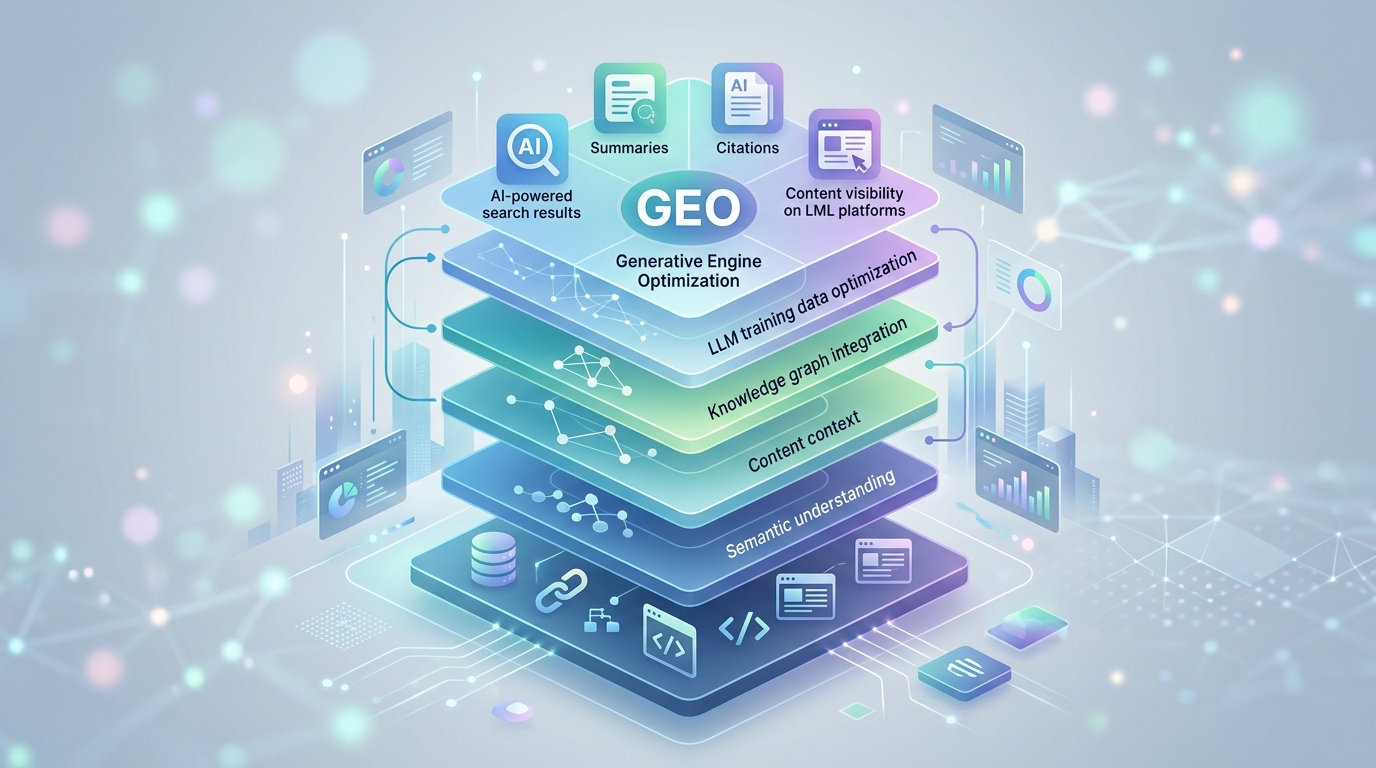
No. SEO ranks links on a results page. GEO measures whether your brand is cited inside AI answers on ChatGPT, Gemini, Claude, Perplexity, Grok, and DeepSeek.
Summary
- It makes sense that this question stalls the conversation.
- This isn’t a prediction; it’s a behavior that is already underway.
- It’s important to clarify what this change doesn’t require: it’s not a reason to cut budget from Google Ads, abandon SEO, or stop investing in content.
- In practice, this means tracking three things that most teams currently overlook: - Which questions in your sector people ask AIs like ChatGPT, Gemini, and Perplexity, and how often your brand appears in the answers.
- If your company already invests in acquisition and still doesn’t know how it’s positioned in AI responses, this is an easy gap to close.
- Does monitoring AI visibility replace tracking SEO and Google Ads?
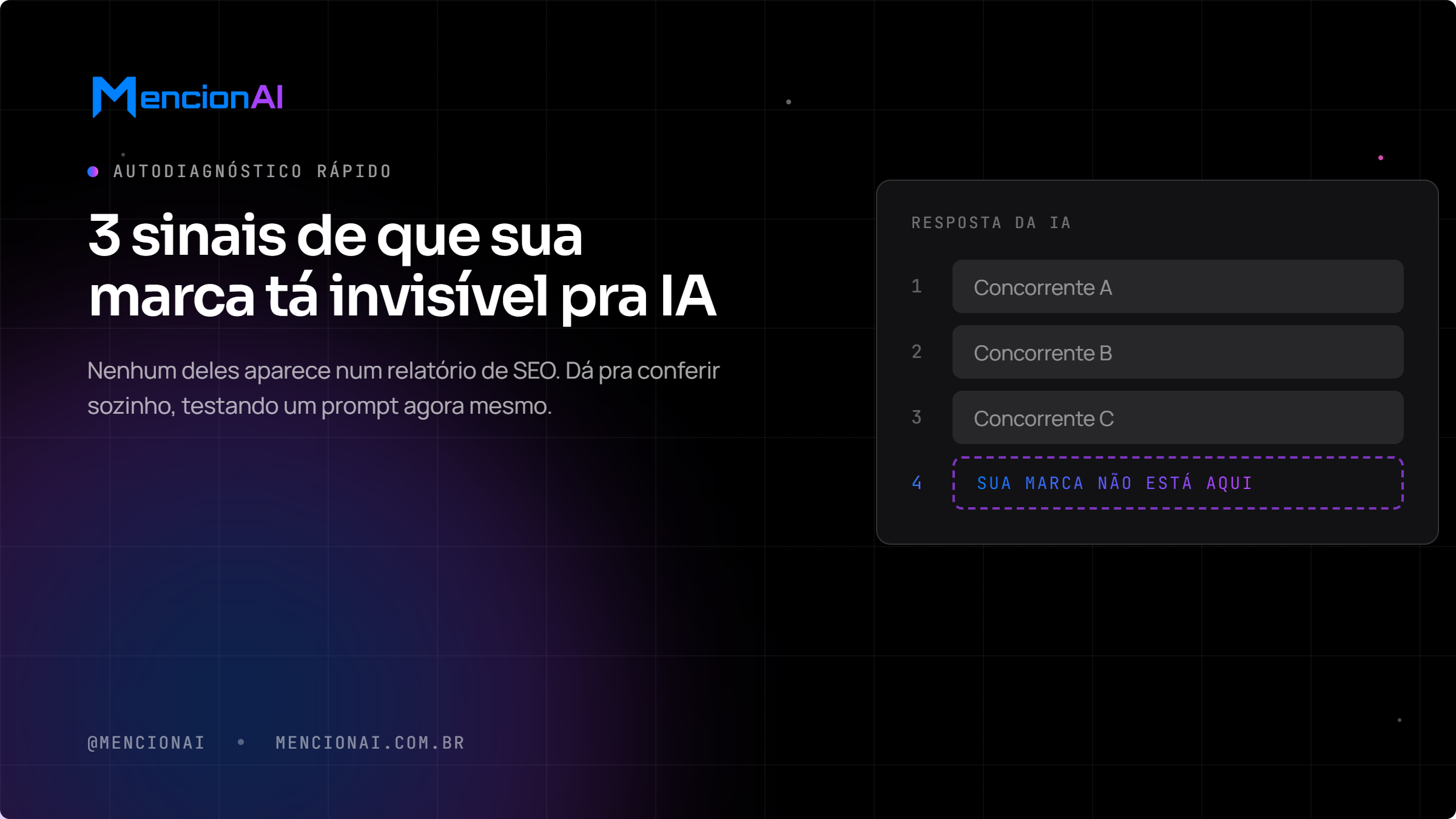
But there’s one question that most teams still can’t answer: which brands appear when someone asks an AI for a recommendation about your market? Ask any experienced marketing manager this, and the most common response is "we have no idea."
The Blind Spot in Acquisition Metrics
It makes sense that this question stalls the conversation. None of the tools that make up the typical acquisition stack (Google Analytics, Search Console, CRM, ad platforms) were designed to show what ChatGPT, Gemini, or Perplexity respond when someone asks which tool or company solves a specific problem.
The result is a real blind spot. The company continues to measure everything it has always measured, with the same rigor as before, but an increasing part of the buying research is happening in a channel that none of these metrics cover.
A Part of Research Has Already Shifted
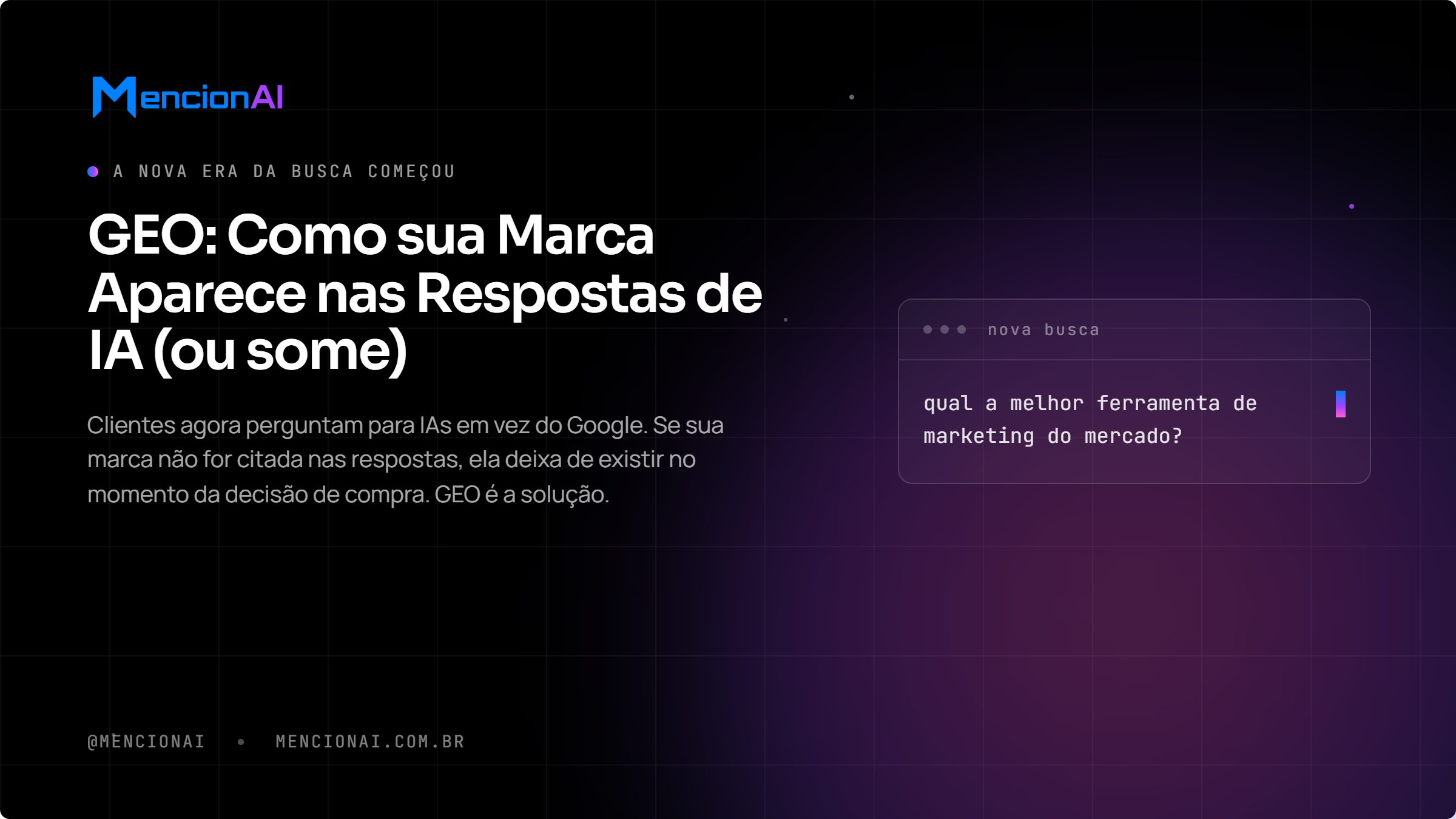
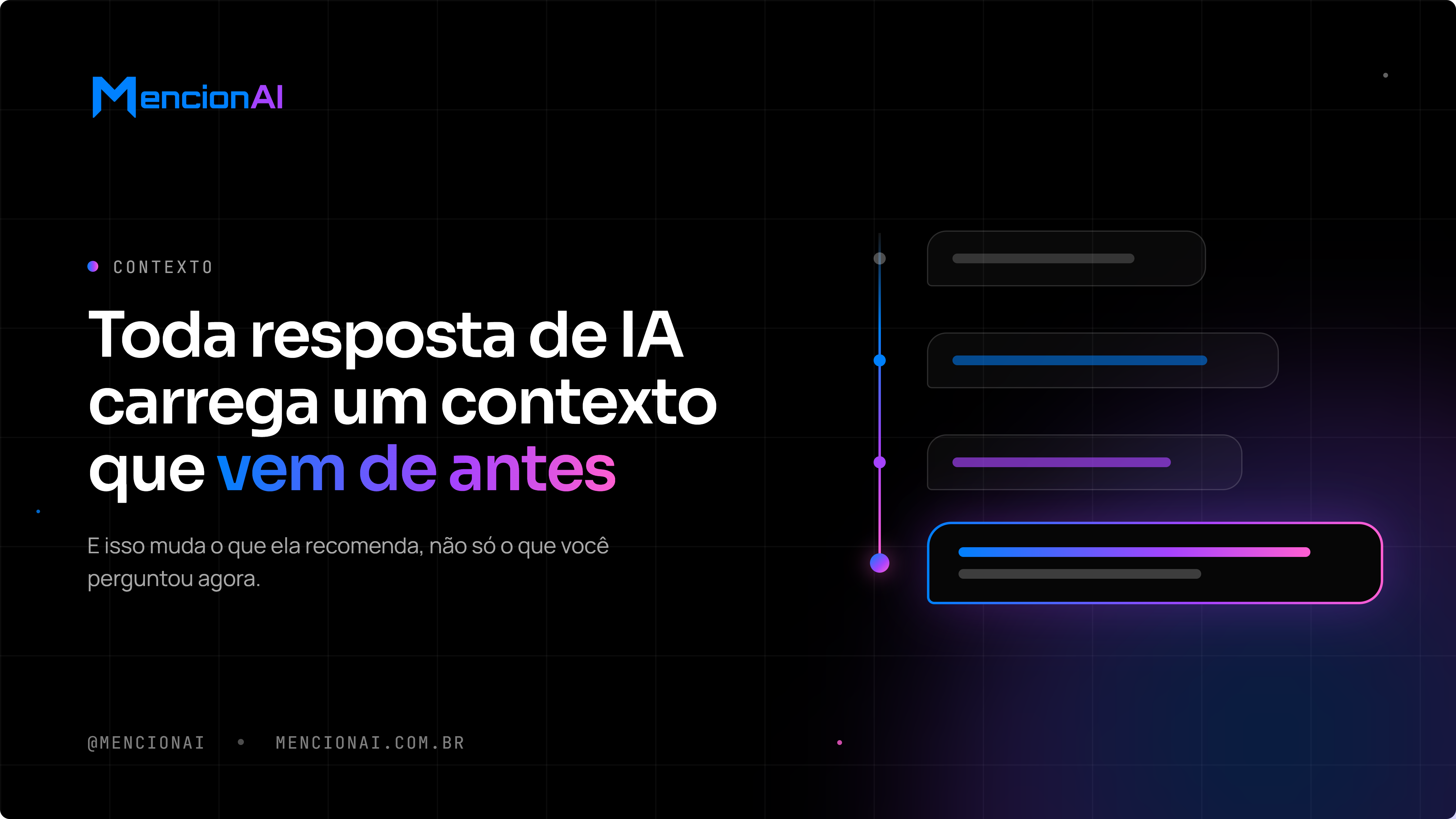
This isn’t a prediction; it’s a behavior that is already underway. More and more people, before opening Google, open an AI and ask directly: "what is the best tool for X," "which companies do Y in Brazil," "compare company A with company B." The answer that the AI provides at that moment often decides which brands make it onto the buyer’s consideration list even before they research further.
Companies that already invest time and money to appear at the exact moment someone is looking for a solution now have a part of that research happening in an environment they still don’t monitor.
This Doesn’t Replace What Already Works
It’s important to clarify what this change doesn’t require: it’s not a reason to cut budget from Google Ads, abandon SEO, or stop investing in content. These channels continue to deliver results and still deserve the investment they already receive.
What changes is the need to add another source to the marketing decision-making process. Today, it’s possible to know, with data and not guesswork, which competitors are being recommended in AI responses to the main questions in your market, which of these questions already include your brand, and where the opportunities that have yet to be explored lie.
What This New Layer of Monitoring Includes
In practice, this means tracking three things that most teams currently overlook:
- Which questions in your sector people ask AIs like ChatGPT, Gemini, and Perplexity, and how often your brand appears in the answers.
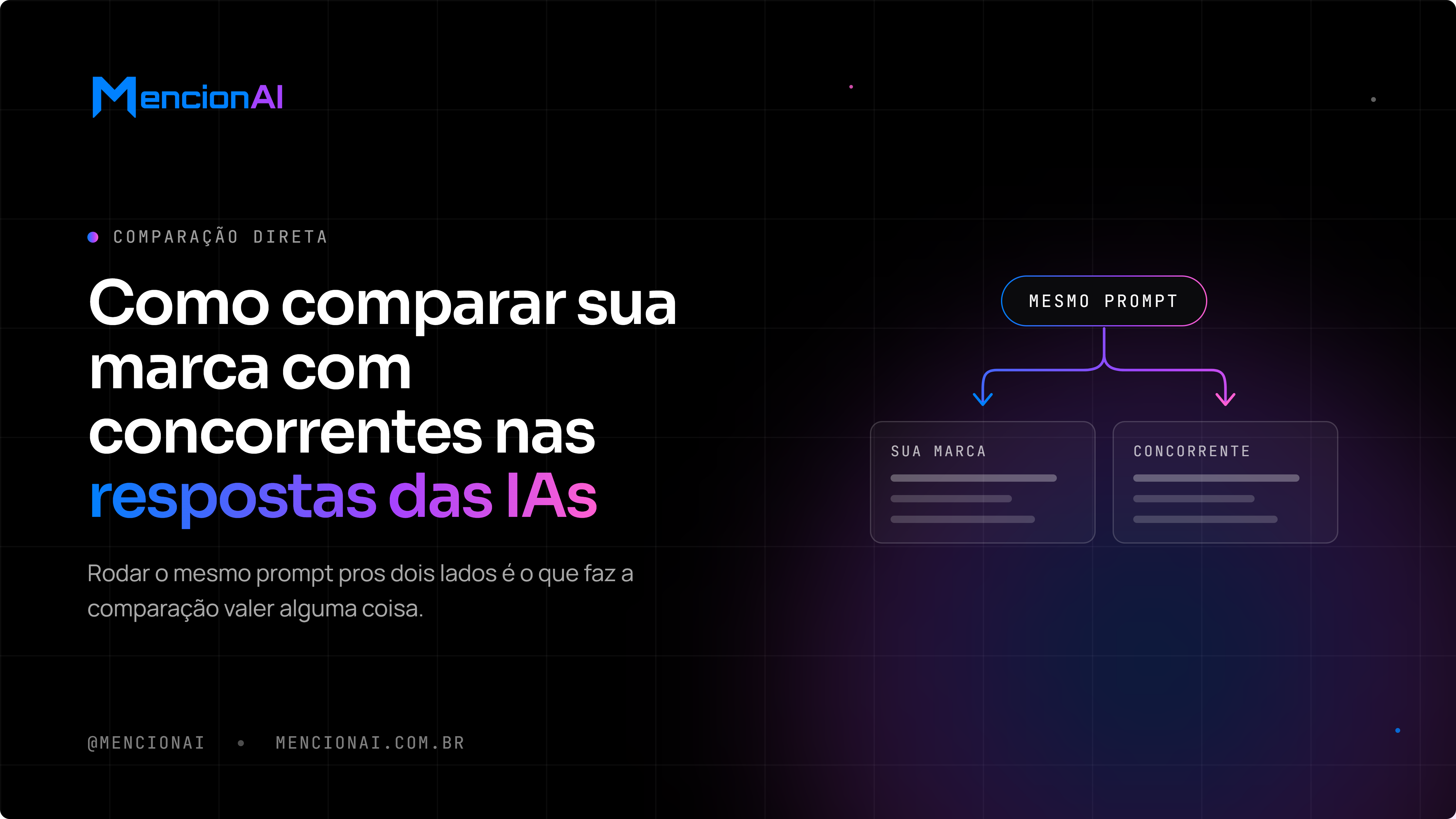
- Which competitors appear most frequently in those same questions, and why.
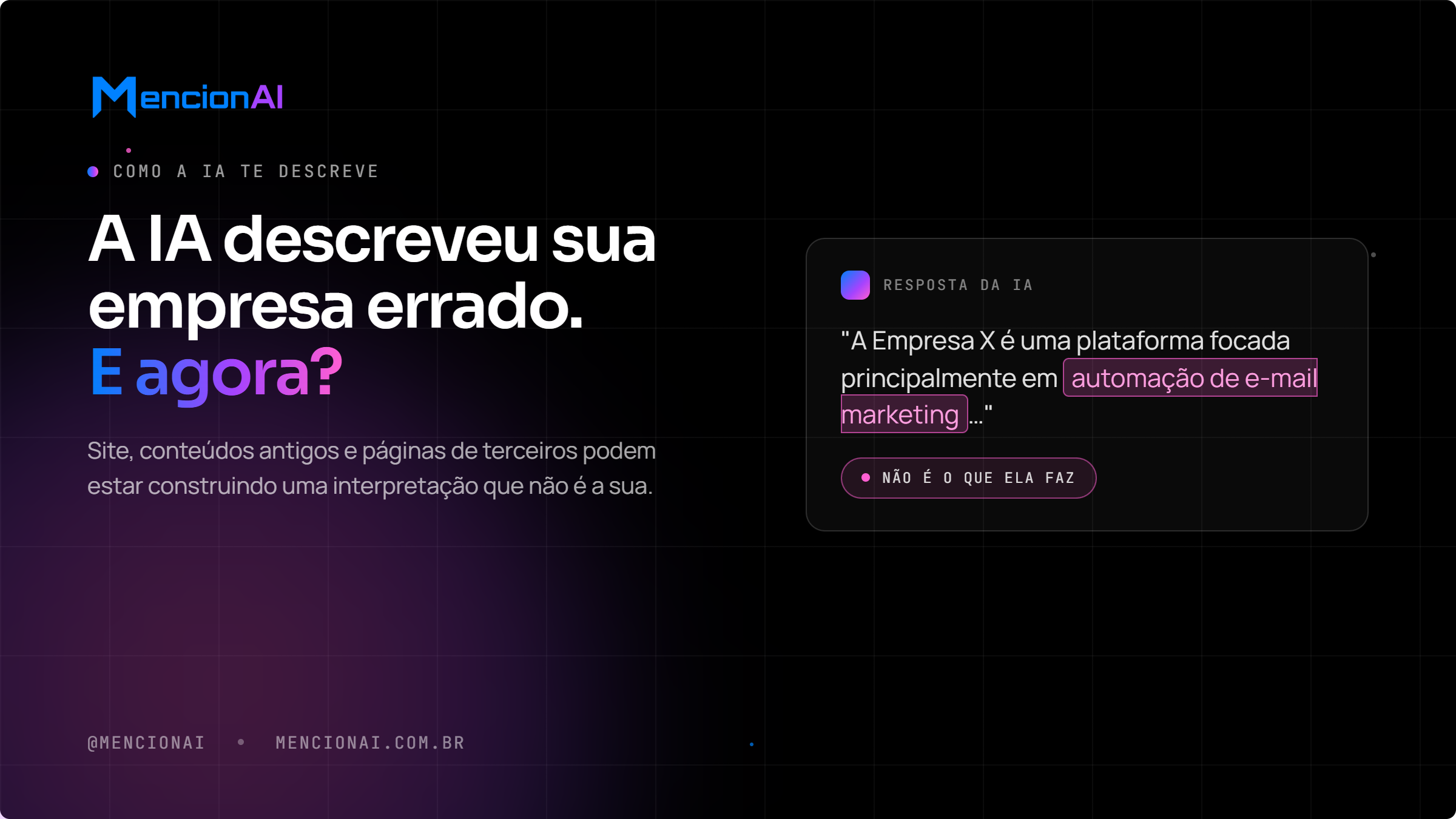
- What gaps exist between what your company communicates and what the AI actually recommends to the buyer.
This doesn’t replace the metrics you already track. It functions as an additional layer of visibility, just as Google ranking and organic traffic once added a new layer to what already existed.
It’s also worth noting that an AI’s response to the same question can vary between executions. A study by SparkToro and Gumshoe.ai, with 2,961 prompt executions in ChatGPT, Claude, and Google’s AI, estimated less than a 1 in 100 chance that two responses would bring the same list of brands. This reinforces why this monitoring needs to be continuous, not a one-time test.
It’s Worth Looking at This Now
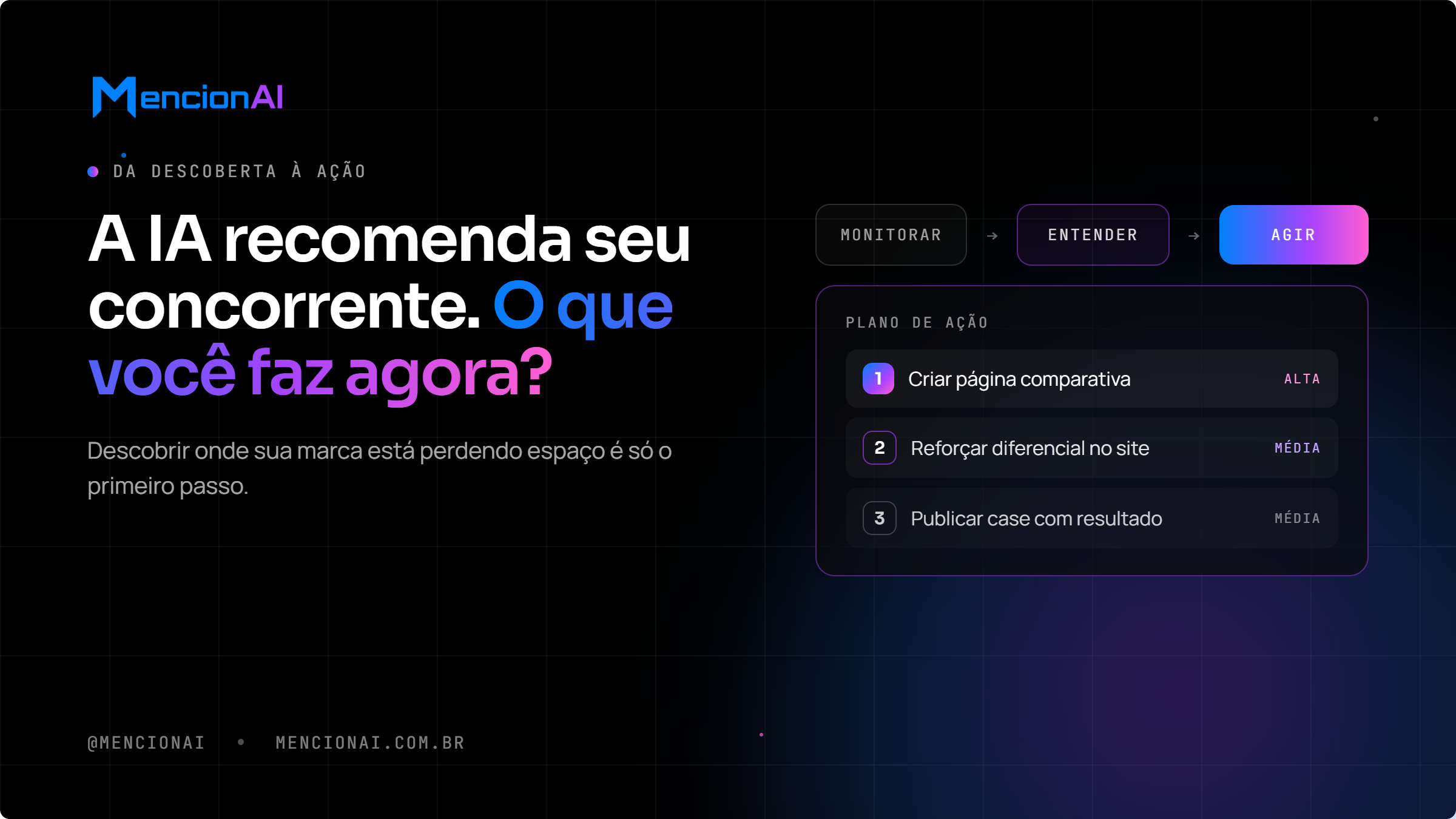
If your company already invests in acquisition and still doesn’t know how it’s positioned in AI responses, this is an easy gap to close. MencionAI compares your brand with competitors on the main questions in your market and shows exactly where the opportunities lie.
Pedro, CMO of MencionAI
Frequently Asked Questions
Does monitoring AI visibility replace tracking SEO and Google Ads? No. It’s an additional layer of monitoring that covers a search channel that traditional SEO and ads do not measure. Both continue to function side by side.
How can I know if my company already appears in AI responses about my market? You can manually test by asking the most common questions in your sector directly in ChatGPT, Gemini, and Perplexity and recording if your brand appears and how often. To monitor this continuously and at scale, without repeating the manual test every day, there are dedicated monitoring tools, like MencionAI itself.
Does this type of monitoring make sense for what kind of company? It makes more sense for companies that already have an active acquisition process (media budget, marketing team, recurring content) and that sell in a market where the buyer researches and compares options before deciding. If your company already invests to appear at the moment of research, it’s worth knowing if that moment is also happening within an AI.
FAQ
Is GEO a replacement for SEO?
No. SEO ranks links on a results page. GEO measures whether your brand is cited inside AI answers on ChatGPT, Gemini, Claude, Perplexity, Grok, and DeepSeek.
What should we publish first for AI citations?
Comparison pages, FAQ hubs with stable anchors, llms.txt, and Organization schema — then re-scan the same prompts.
What is E-E-A-T and how does it help AI citations?
Google Search Central describes E-E-A-T as experience, expertise, authoritativeness, and trustworthiness — trust first. Named authors, first-hand experience, and citations to official docs help people judge who stands behind the page. Structured data is not required for AI Overviews, but Article, Person, and Organization markup still help Search understand the author and publisher.