GEO: How Your Brand Appears in AI Responses (or Disappears)
MencionAI Blog Pedro Vianna Quintian
MencionAI Blog Sep 03, 2026 · 3 min read / GEO
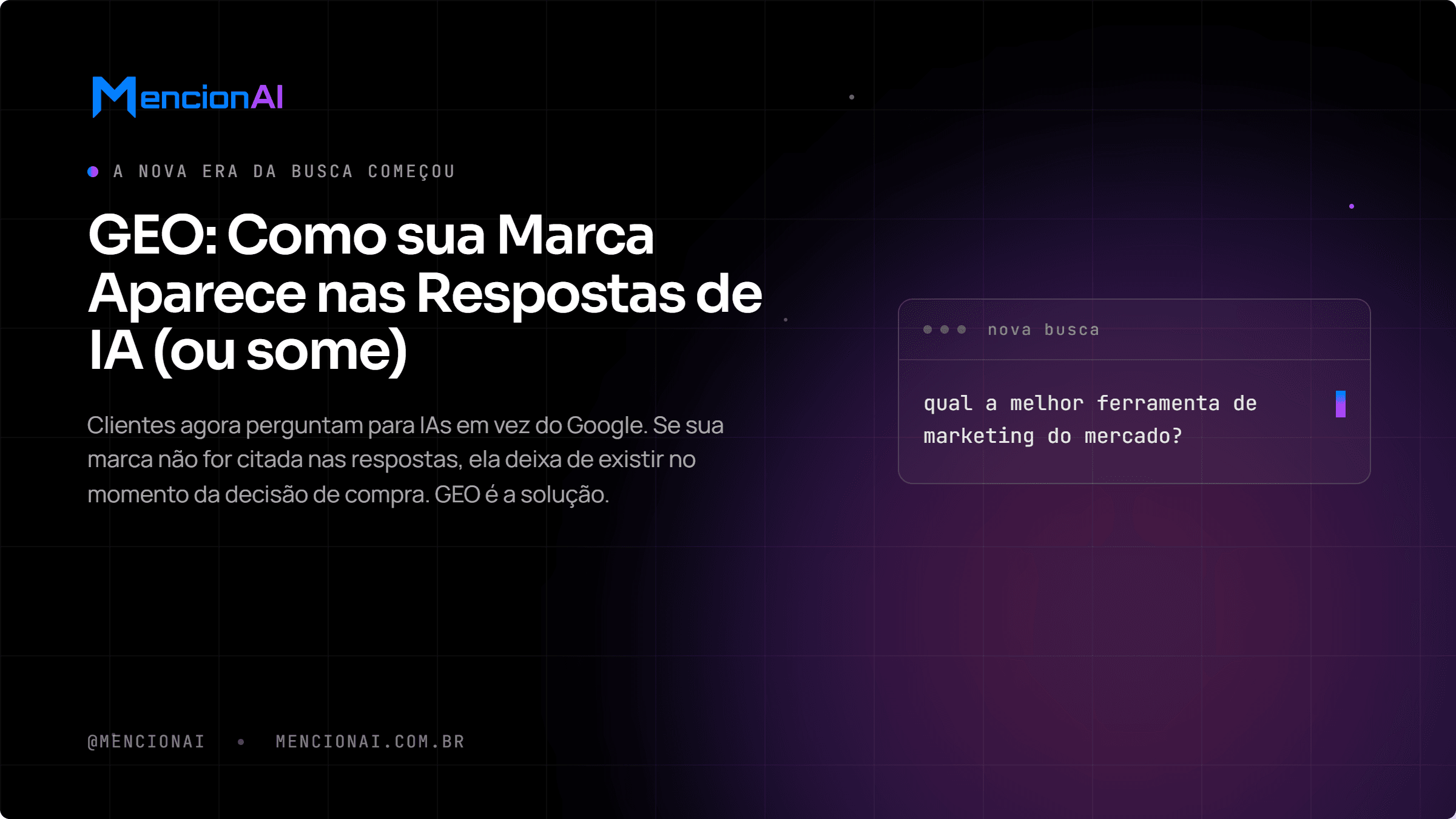
Consumer behavior has evolved: customers no longer type into Google. They ask AIs like ChatGPT, Gemini, or Claude directly. If the answer doesn’t mention your brand, you simply don’t exist for those making decisions.
Quick answer
No. SEO ranks links on a results page. GEO measures whether your brand is cited inside AI answers on ChatGPT, Gemini, Claude, Perplexity, Grok, and DeepSeek.
Summary
- In the past, the marketing funnel began with searches on Google.
- GEO, or Generative Engine Optimization, is the set of strategies to optimize content, authority, and structure so that generative AIs include your brand in their responses.
- In the B2B context, where sales cycles are long, absence from AI responses can mean losing qualified leads right from the first contact.
- Start by auditing how major AIs respond to questions related to your segment.
- Tracking performance in real-time is crucial.
- GEO is not a passing trend. As AIs become the primary entry point for information, brands that master this discipline will have a lasting competitive advantage.
The Shift in Information Search
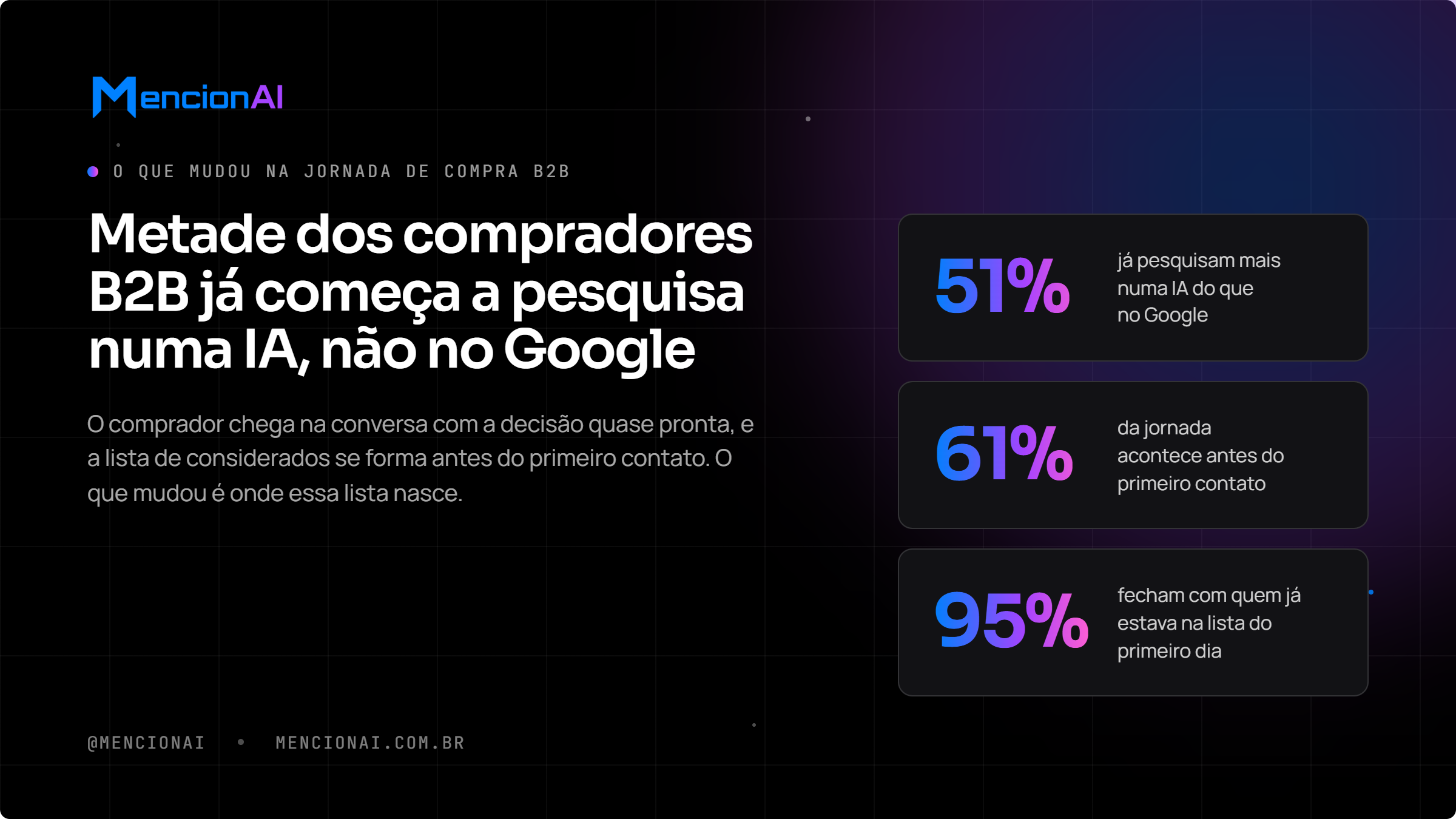
In the past, the marketing funnel began with searches on Google. Today, a significant portion of purchasing decisions starts in conversations with artificial intelligences. These tools synthesize answers instead of listing links, completely changing the visibility game.
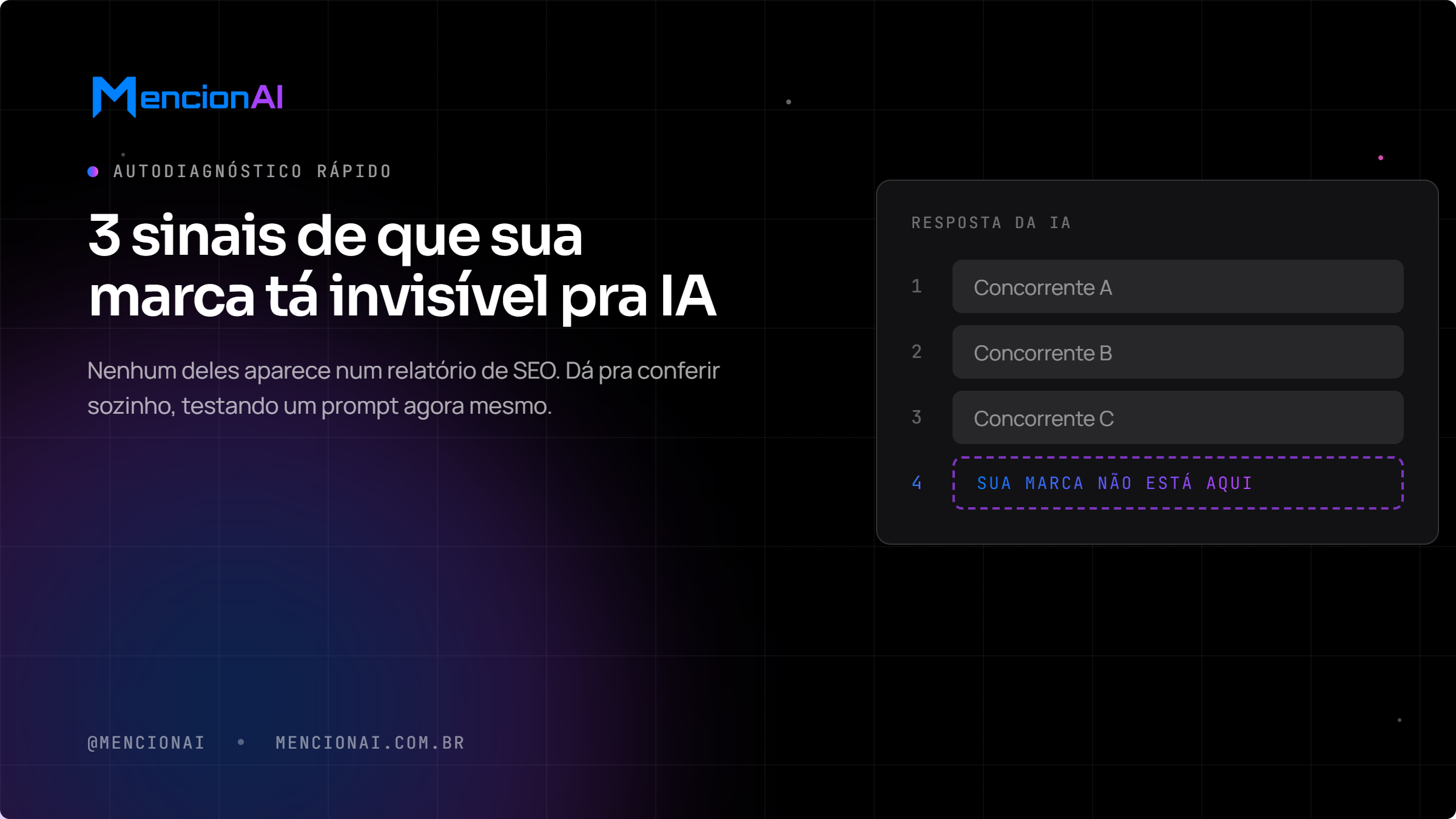
Companies that once dominated the top organic results now face a new challenge: being mentioned within AI-generated responses. Without this mention, traffic and conversions drop, even if the website is well-positioned in traditional search engines.
What is GEO and Why is it Essential?
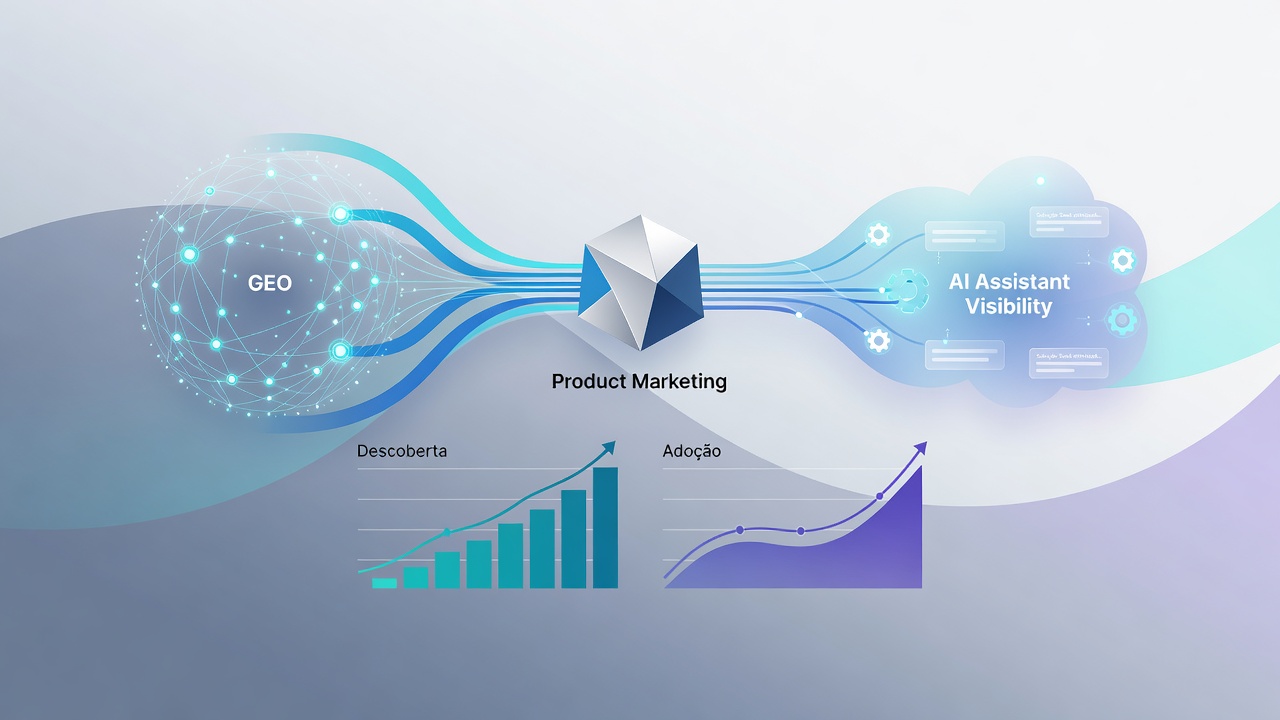
GEO, or Generative Engine Optimization, is the set of strategies to optimize content, authority, and structure so that generative AIs include your brand in their responses. Unlike traditional SEO, the focus is on being cited as a trusted source within summaries generated by language models.
Brands that invest in GEO can maintain relevance even when users don’t click on links. This includes creating structured content, building authority on specific topics, and ensuring that data about the company is accessible and up-to-date for AI systems.
Impact on B2B Purchasing Decisions
In the B2B context, where sales cycles are long, absence from AI responses can mean losing qualified leads right from the first contact. When a founder or marketer asks, "What is the best AI visibility tool?" the AI's answer defines who makes it onto the consideration list.
Recent research shows that over 40% of informational searches now go through generative assistants. Ignoring GEO is like leaving your brand off the map for an entire generation of buyers.
Practical Strategies to Optimize Your Visibility
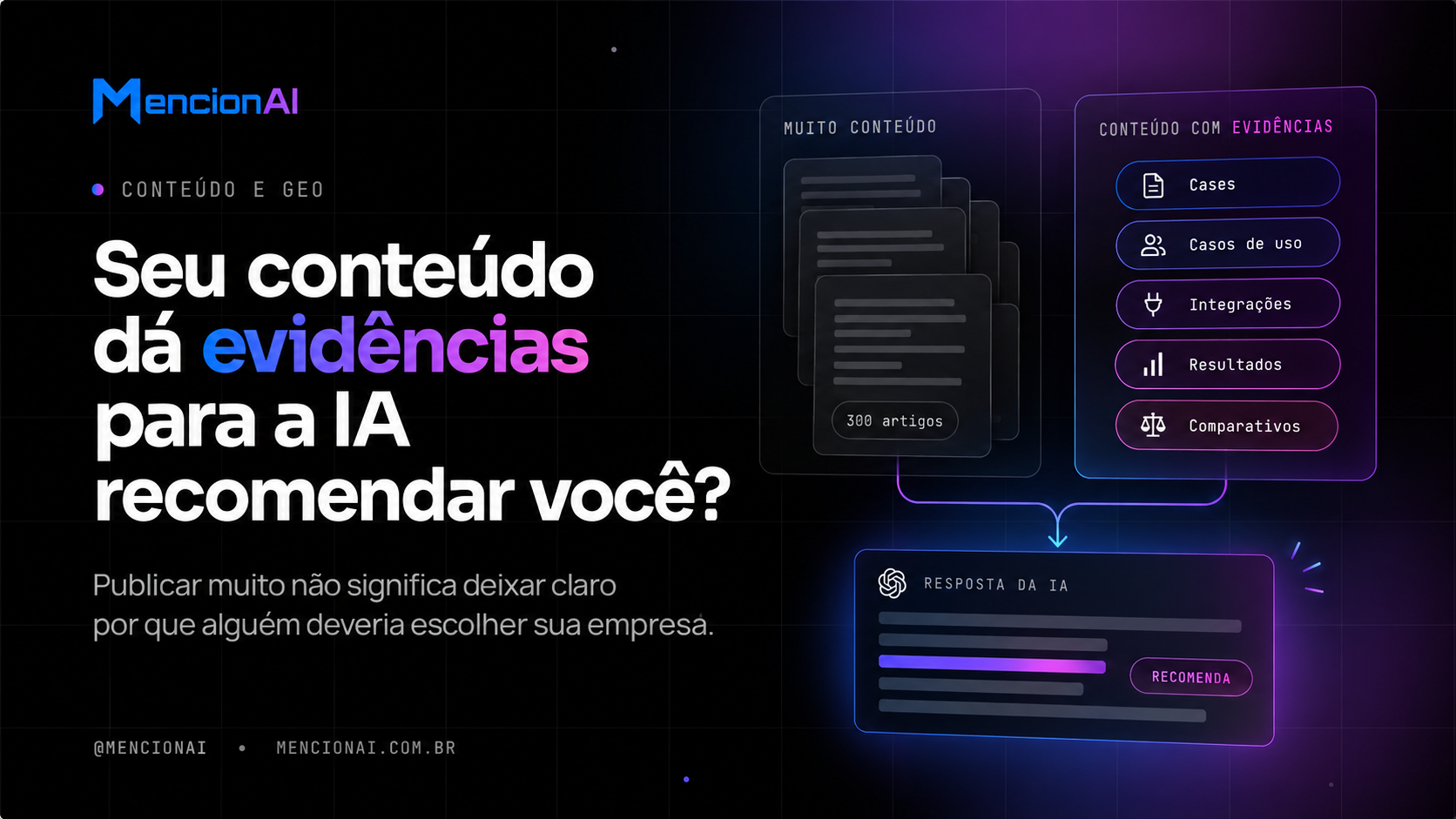
Start by auditing how major AIs respond to questions related to your segment. Identify citation gaps and create content that directly answers these questions with data, case studies, and authority.
Invest in mentions from reliable sources, data structuring, and constant updates. Monitoring tools help measure how often your brand is cited and compare it with competitors.
Continuous Monitoring with Specialized Platforms
Tracking performance in real-time is crucial. Platforms like MencionAI offer dashboards that track citations in AIs, alert about changes in positioning, and show what competitors are doing to gain visibility.
With accurate data, marketing teams can quickly adjust strategies, prioritizing topics that generate the most positive mentions in AI-generated responses.
The Future of Digital Visibility
GEO is not a passing trend. As AIs become the primary entry point for information, brands that master this discipline will have a lasting competitive advantage. Ignoring this transformation means giving space to competitors who are already optimizing for the new search standard.
Invest now in understanding and applying GEO to ensure your brand remains relevant when customers ask AI.
FAQ
Is GEO a replacement for SEO?
No. SEO ranks links on a results page. GEO measures whether your brand is cited inside AI answers on ChatGPT, Gemini, Claude, Perplexity, Grok, and DeepSeek.
What should we publish first for AI citations?
Comparison pages, FAQ hubs with stable anchors, llms.txt, and Organization schema — then re-scan the same prompts.
What is E-E-A-T and how does it help AI citations?
Google Search Central describes E-E-A-T as experience, expertise, authoritativeness, and trustworthiness — trust first. Named authors, first-hand experience, and citations to official docs help people judge who stands behind the page. Structured data is not required for AI Overviews, but Article, Person, and Organization markup still help Search understand the author and publisher.