
GEO for B2B SaaS: Turn AI Citations into Qualified Leads
MencionAI Blog Vinícius Guimarães de Oliveira
MencionAI Blog Jun 22, 2026 · 3 min read / Strategy
In today’s digital marketing landscape, citations generated by AI assistants represent a new frontier for B2B SaaS companies seeking visibility and conversion.
Quick answer
Google Search Central describes E-E-A-T as experience, expertise, authoritativeness, and trustworthiness — trust first. Named authors, first-hand experience, and citations to official docs help people judge who stands behind the page.
Summary
- Generative Engine Optimization (GEO) goes beyond traditional SEO by optimizing content to be cited by language models such as ChatGPT, Claude, and Perplexity.
- When an AI model cites your platform, the resulting traffic is usually highly intentional.
- 1. Create structured content with data, tables, and comparisons that AIs prefer to cite.
- Track not only citation volume, but also: - Click-through rate on mentions - Time on site after the visit - Conversion rate to demo or trial - Cost per lead generated via AI These indicators reveal the true ROI of GEO fo
- Combine GEO with traditional inbound: use citations as a trigger for nurturing campaigns.
- Start by auditing the main queries your target audience asks AI assistants.
The Role of GEO in B2B Demand Generation
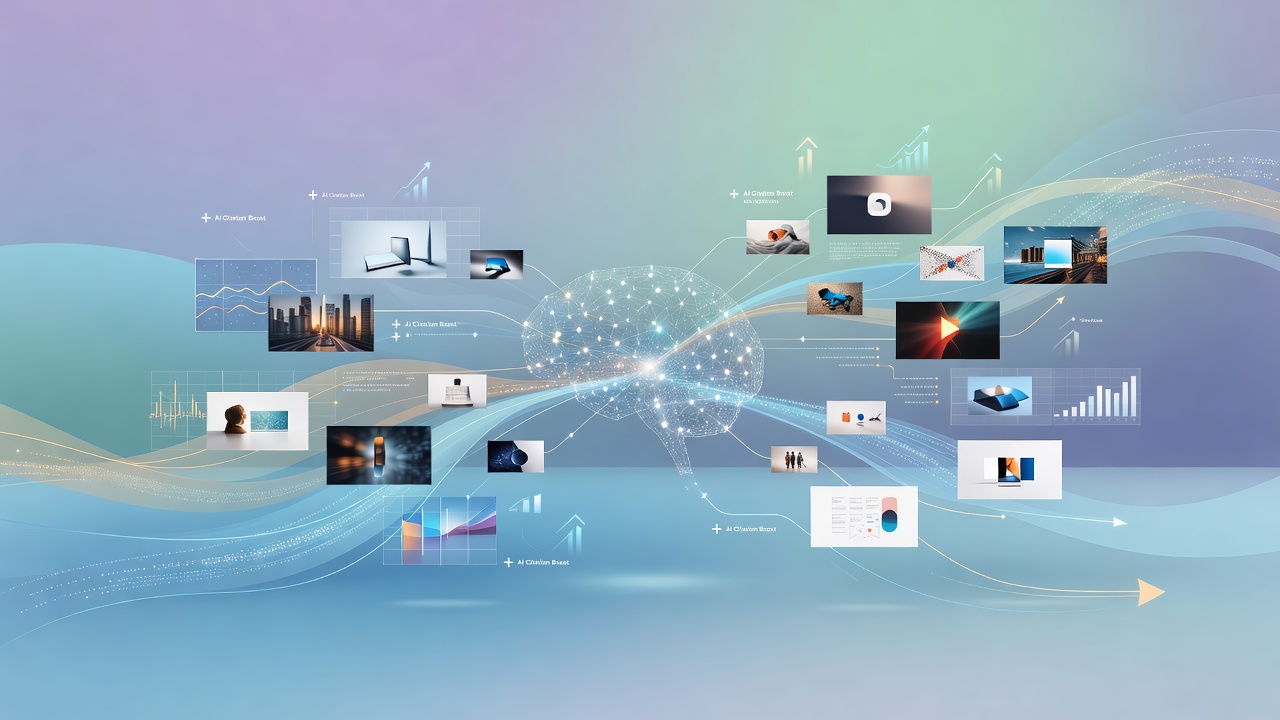
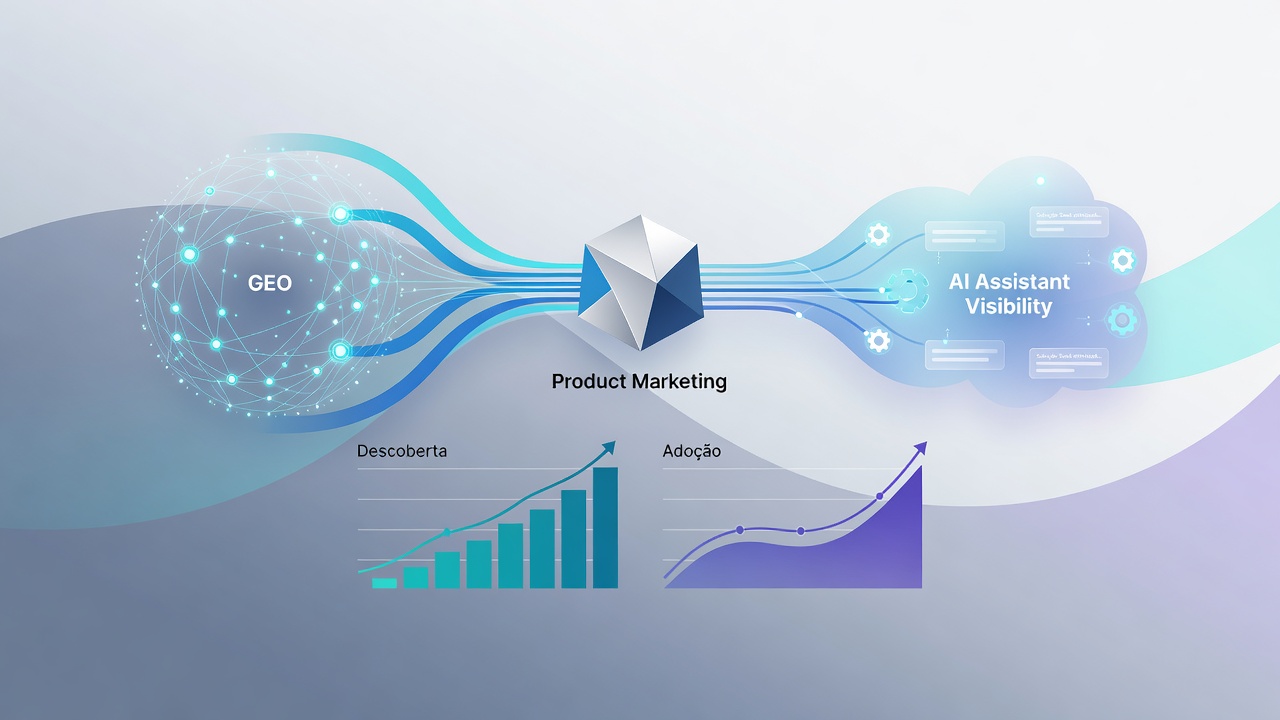
Generative Engine Optimization (GEO) goes beyond traditional SEO by optimizing content to be cited by language models such as ChatGPT, Claude, and Perplexity. For B2B SaaS, this means positioning your solution as a reference in answers that IT and marketing decision-makers consume every day.
Companies that apply GEO consistently see up to a 40% increase in qualified mentions compared with strategies focused only on organic search.
How AI Citations Convert into Leads
When an AI model cites your platform, the resulting traffic is usually highly intentional. The user has already received a contextual recommendation and arrives at the site with the intent to evaluate the solution.
To turn these visits into leads, it is essential to:
- Offer relevant gated content immediately after the citation
- Implement chatbots that qualify visitors in real time
- Track citation sources with specific UTM parameters
Practical Optimization Strategies for Citations
- Create structured content with data, tables, and comparisons that AIs prefer to cite.
- Maintain authoritative profiles on trusted sources that models consult.
- Monitor mentions with tools like MencionAI to identify reinforcement opportunities.
- Regularly update comparison pages and case studies.
Metrics That Really Matter
Track not only citation volume, but also:
- Click-through rate on mentions
- Time on site after the visit
- Conversion rate to demo or trial
- Cost per lead generated via AI
These indicators reveal the true ROI of GEO for B2B marketing teams.
Integrating GEO into Your Inbound Strategy
Combine GEO with traditional inbound: use citations as a trigger for nurturing campaigns. When an AI mentions your tool, launch personalized email sequences for visitors who accessed the cited page.
Next Steps to Implement GEO in Your Company
Start by auditing the main queries your target audience asks AI assistants. Then optimize the most relevant pages and set up citation alerts. With discipline, AI mentions stop being random and become a predictable source of qualified leads for your B2B SaaS.
How to apply this in 30 days (Brazil-first)
Brazilian buyers mix PT-BR and English prompts. Treat Brazil as the primary market even when you also ship English pages.
- Baseline 10 buyer-intent prompts in Portuguese and English across ChatGPT, Gemini, Claude, Perplexity, Grok, and DeepSeek.
- Ship one comparison page and one FAQ hub with stable heading IDs, using buyer language such as “melhor X para PME no Brasil”.
- Publish /llms.txt and allow documented AI crawlers only — do not invent tokens for Grok or DeepSeek.
- Re-scan weekly and map citation gaps to the next content change.
MencionAI tracks those models for marketing and growth teams in Brazil so you can see which answers cite you after each ship.
FAQ
What is E-E-A-T and how does it help AI citations?
Google Search Central describes E-E-A-T as experience, expertise, authoritativeness, and trustworthiness — trust first. Named authors, first-hand experience, and citations to official docs help people judge who stands behind the page. Structured data is not required for AI Overviews, but Article, Person, and Organization markup still help Search understand the author and publisher.